

A Wellness Addition to Energy Based Travel in Kyoto
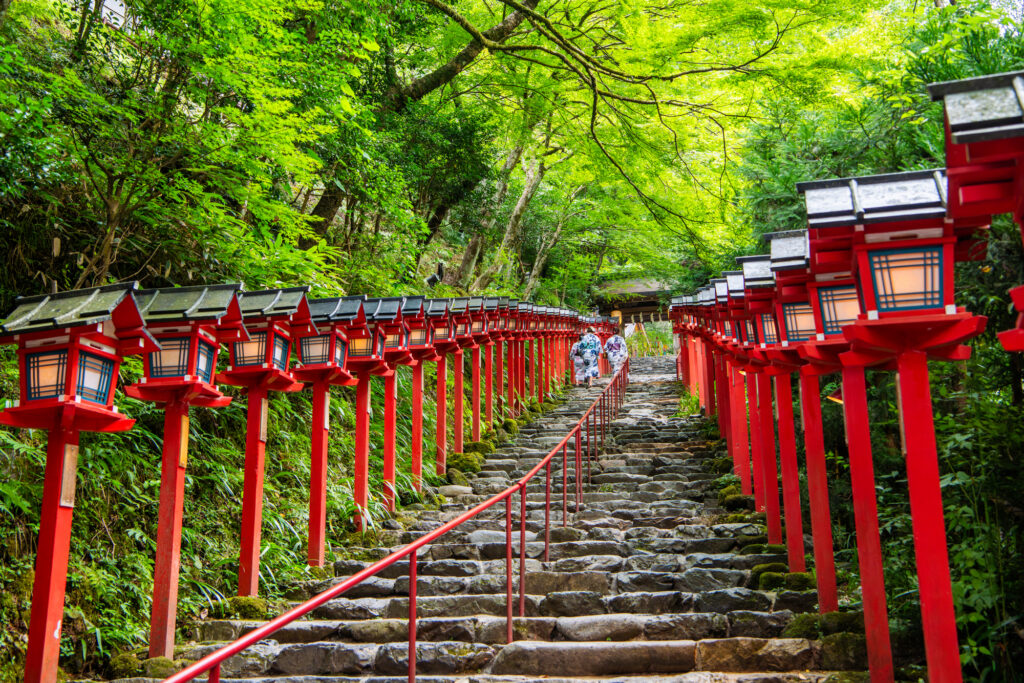
Mount Kurama, revered as the birthplace of Reiki, occupies a place in Japan’s spiritual landscape and wellness culture. Associated with mountain asceticism, this is one home of the legendary Tengu of Shinto folklore, where hiking up the mountain offers travellers a spiritual healing experience through mythological immersion. Journeying from Kurama to the riverside village of Kibune, the destination presents a compact yet compelling wellness extension to Kyoto itineraries.
Journeying through Mount Kurama
Mount Kurama can be accessed via a 30 minute drive from central Kyoto or a one hour train journey with a single transfer.
The climb up the mountain is a beginner-level hike, taking approximately an hour to summit. A cable car is available to ascend the mountain, leaving the scenic walk for the descent. The recommended trail is from Kurama Station to Kifune Village, taking around 2 to 3 total hours to complete on foot. The full trek takes travellers deep into distinctly Japanese nature, where they can fully appreciate the strength and energy of the verdant landscape.

Reiki
The practice of Reiki is an energy-based healing practice founded in the 20th century at Mount Kurama with roots in Japanese spirituality. In practice, Reiki is a ritual that promotes relaxation and emotional clarity, believed to assist with healing. Often sought out as a complement to modern healthcare, Reiki is best categorised similarly to other wellness practices such as yoga and meditation. Mount Kurama offers many power spots for travellers to resonate with.
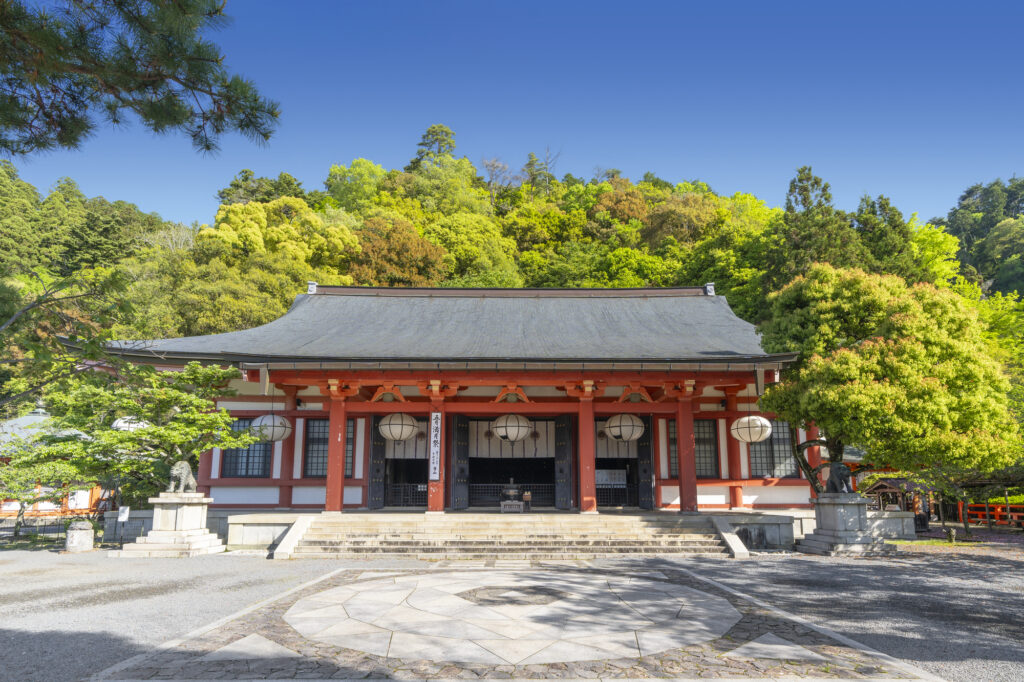
As the birthplace of Reiki, the mountain itself is considered a power spot; however, there are particularly important landmarks travellers should journey to on their trip. Foremost, and most powerful, awaits at the top of the mountain in front of the Kurama-dera, the shrine that acknowledges a hiker’s climb. The sacred triangle inlaid on the ground is believed to hold a great amount of Ki energy. The mountain’s trees – the sacred cedar tree at Yuki-jinja Shrine and the Kinone Michi root path are among recognised energy spots. Even at the end of the trail, Kifune Shrine, dedicated to the spirits of water, maintains powerful energy for healing.
Home of the Tengu
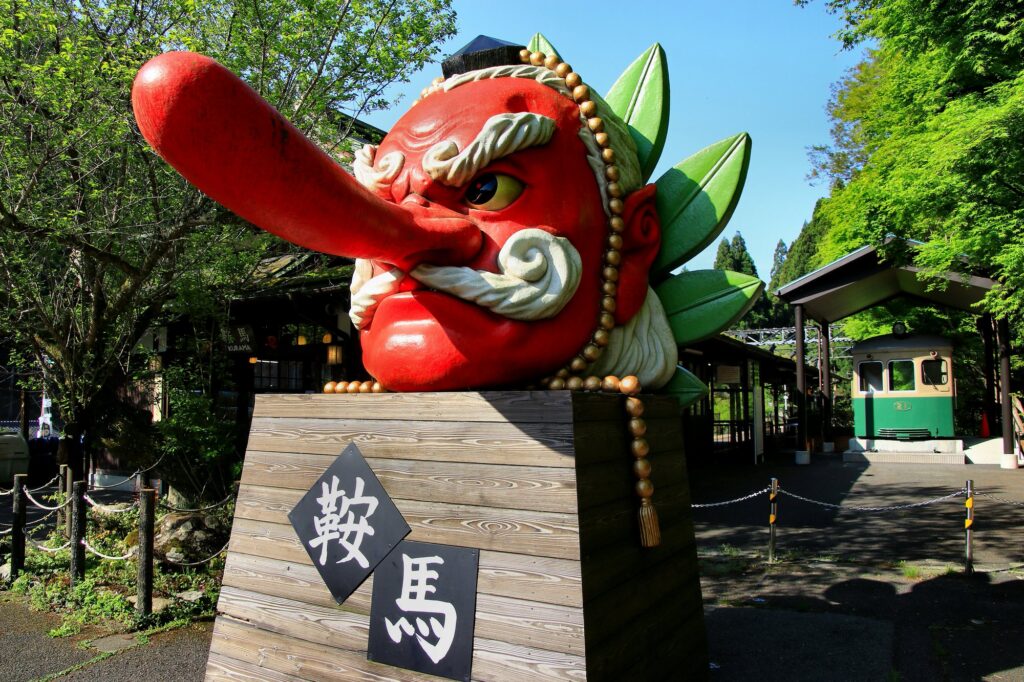
The trail from Kurama Village and through the mountain depicts imagery of the Tengu, believed to bring messages from Shinto gods. It immerses visitors within the mythology of these mountain gods who are said to guard the forests of Kurama, notably the Tengu Priest Sojobo. Statues and trinkets of the Tengu can be found all throughout Mount Kurama and in the village of Kibune.
Kibune Village
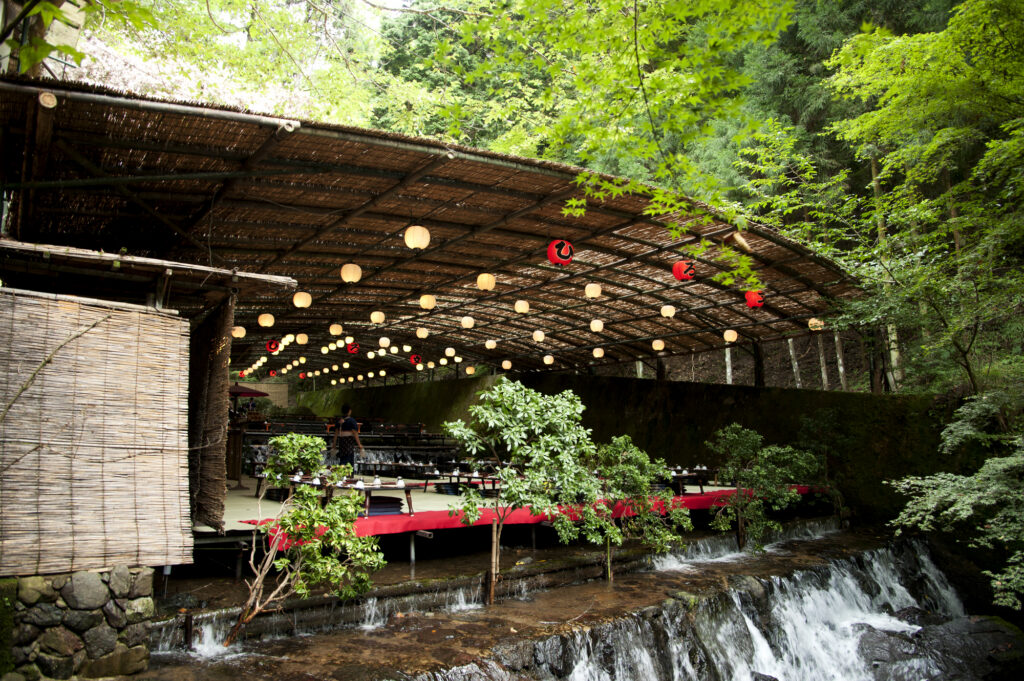
The pilgrimage trail, going beyond the shrine, leads travellers to the village of Kibune. Here, travellers can enjoy riverside dining. Food options include a traditional Japanese meal reminiscent of Ryokan cuisine, a meal with a large variety of dishes served in small plates, and an opportunity for travellers to experience Nagashi soba. This is where soba noodles come flying down a stream of water in bamboo canals for diners to catch and eat. Itineraries planning any riverside dining should strongly consider reserving ahead of time. Travellers having a meal in Kibune can relax to the sound of cascading waterfalls, adding a rich sensory experience to this Kyoto retreat.
 Dutch
Dutch  English
  Arabic
  Bengali
  Bulgarian
  Chinese
  Croatian
  Czech
Czech  Danish
  Estonian
  Finnish
  French
  German
  Greek
Greek  Hindi
Hindi  Hungarian
  Icelandic
  Japanese
  Latvian
  Lithuanian
  Polish
  Portuguese
  Romanian
  Russian
  Slovak
  Slovenian
  Spanish
  Swedish